A Family-Centered Design That Improves Flow and Function
A Columbus Home Addition & Remodel Spotlight
When a home no longer supports how a family lives, more space isn’t always the answer—better design is.
For this growing family in Central Ohio, the challenge wasn’t just square footage. It was a layout that made everyday life harder than it needed to be.
At Residential Designed Solutions (RDS), this is where we begin: by listening.
The Challenge: A Layout That Didn’t Work for Daily Life
Like many homes that have been updated over time, this one had developed a layout that felt disconnected and inefficient.
The homeowners came to RDS looking for a home remodel and addition in Columbus, Ohio, with key concerns:
A long, narrow kitchen separated from main living areas
A central stairwell dividing the home’s flow
Bathrooms that no longer worked for a growing family
Shared spaces trying to serve too many purposes
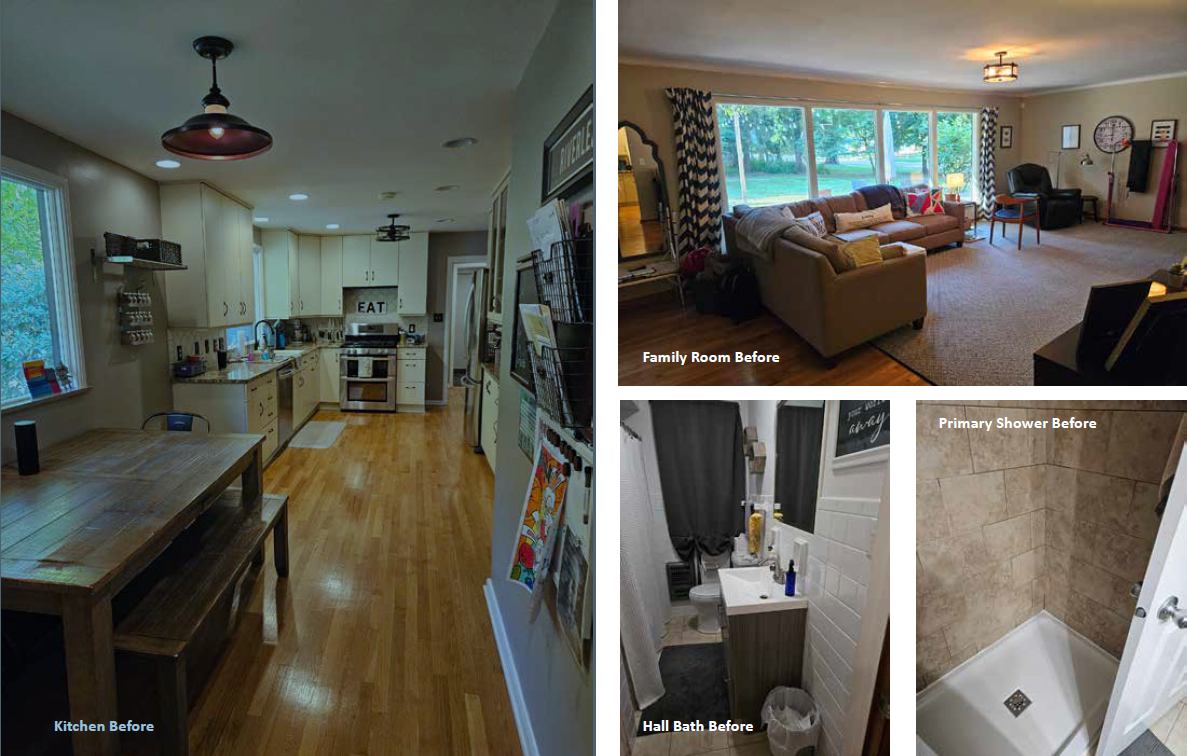
What we kept hearing was that they didn’t just want more room. They wanted a home that worked better for how they live every day.
The Residential Design Approach: Listening First, Then Planning
Every decision in this project was shaped by how the family uses their home.
Instead of jumping straight into drawings, the design process focused on:
Understanding daily routines and movement through the home
Identifying underused or overworked spaces
Creating dedicated areas for hobbies, gathering, and downtime
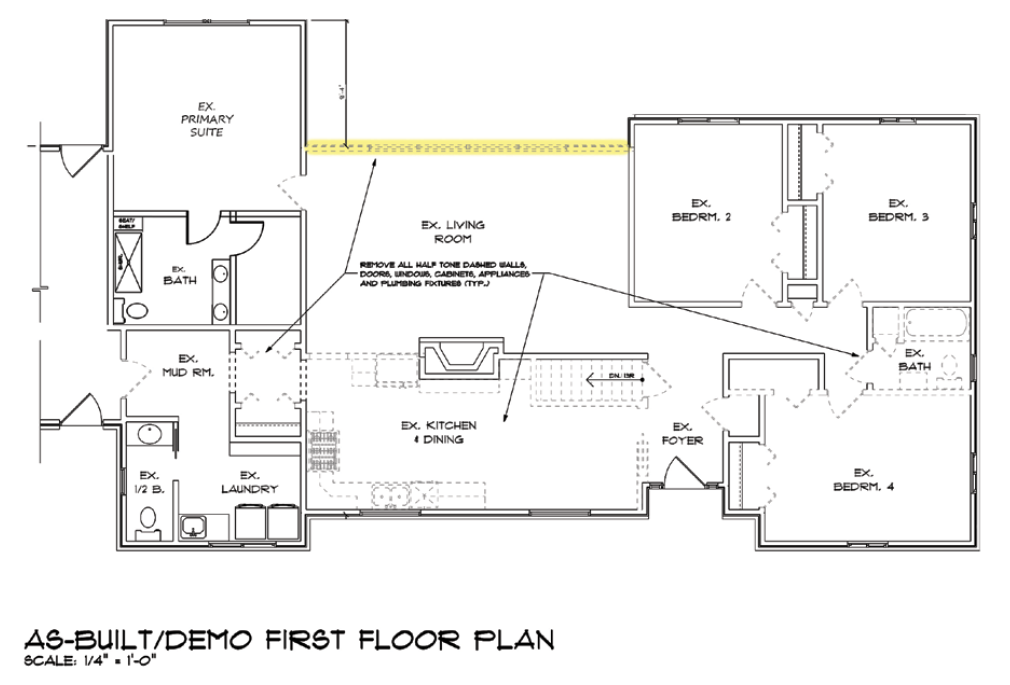
From there, RDS developed a plan that balanced function, flow, and buildability.
The Solution: A Thoughtful Home Addition and Whole-Home Remodel
The final design included both an interior remodel and a strategic home addition, allowing the layout to be completely reworked.
Key improvements included:
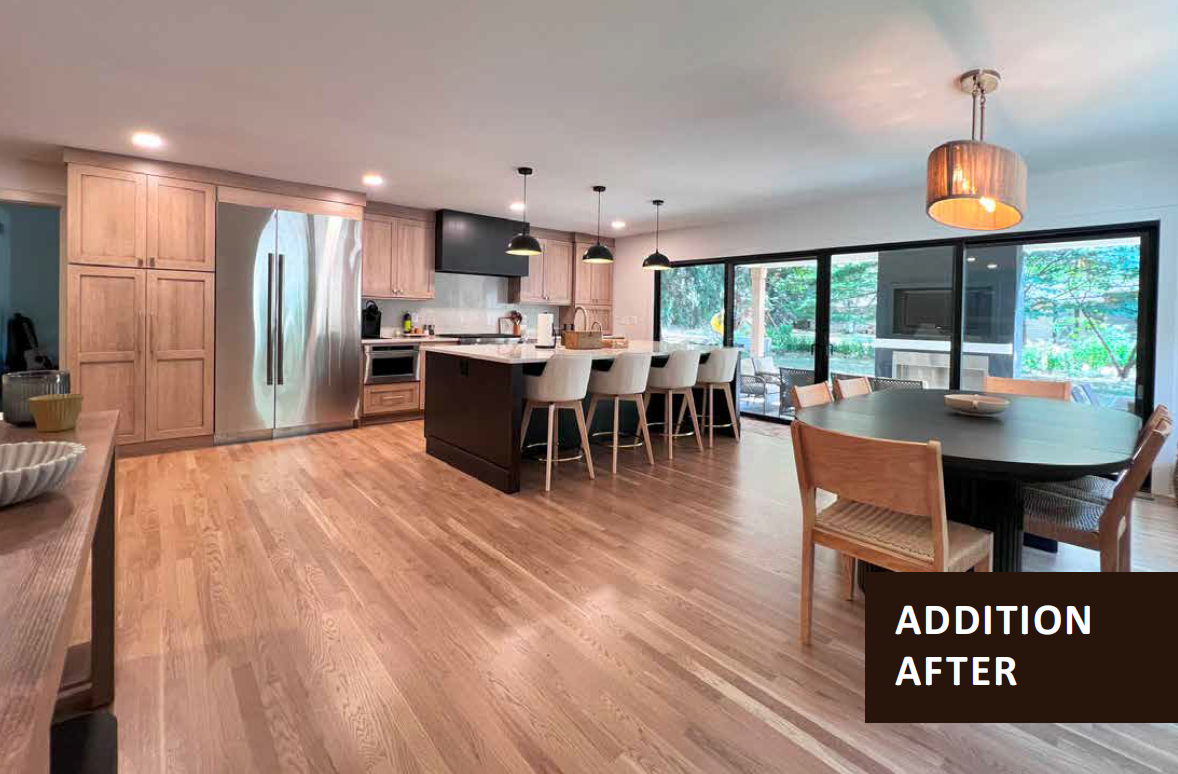
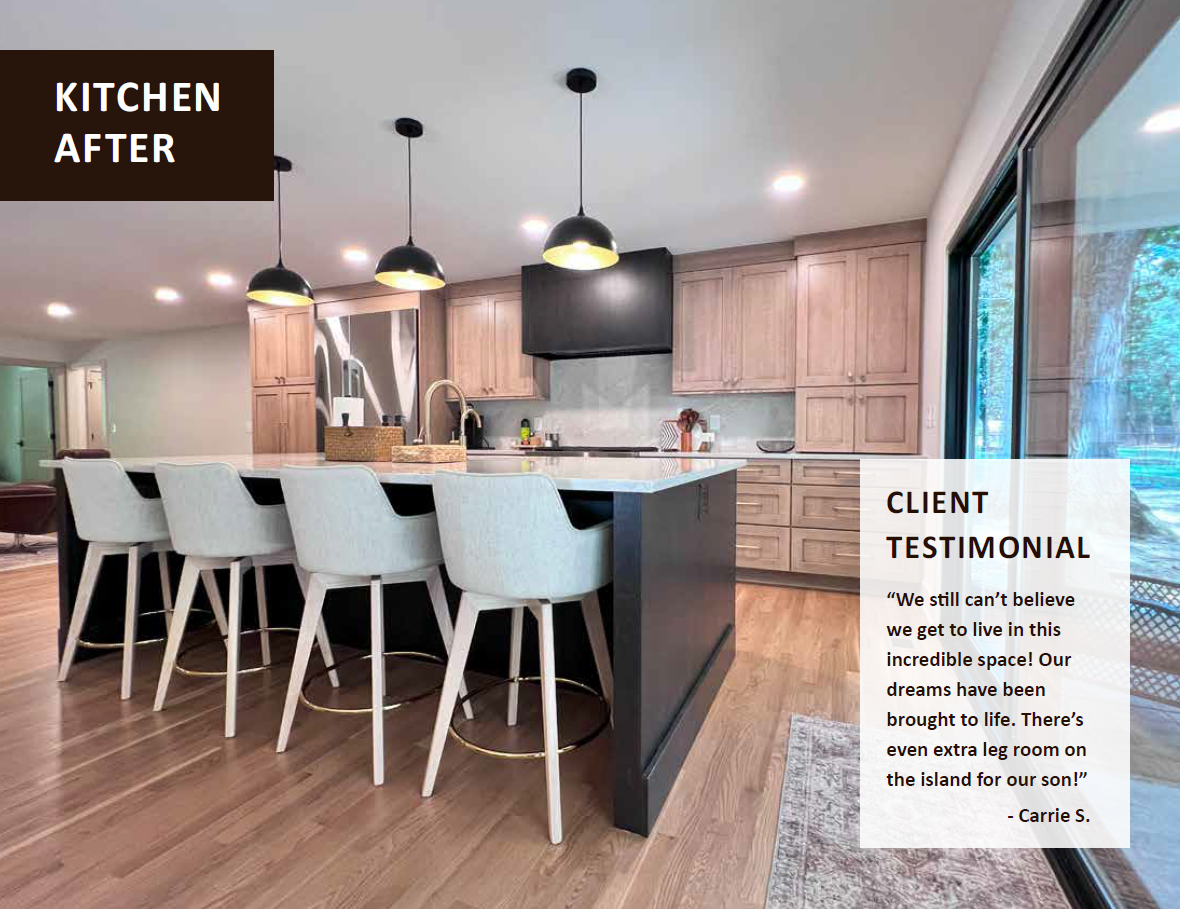
A new kitchen and dining addition that now serves as the central hub of the home
An updated living room connected more naturally to adjacent spaces
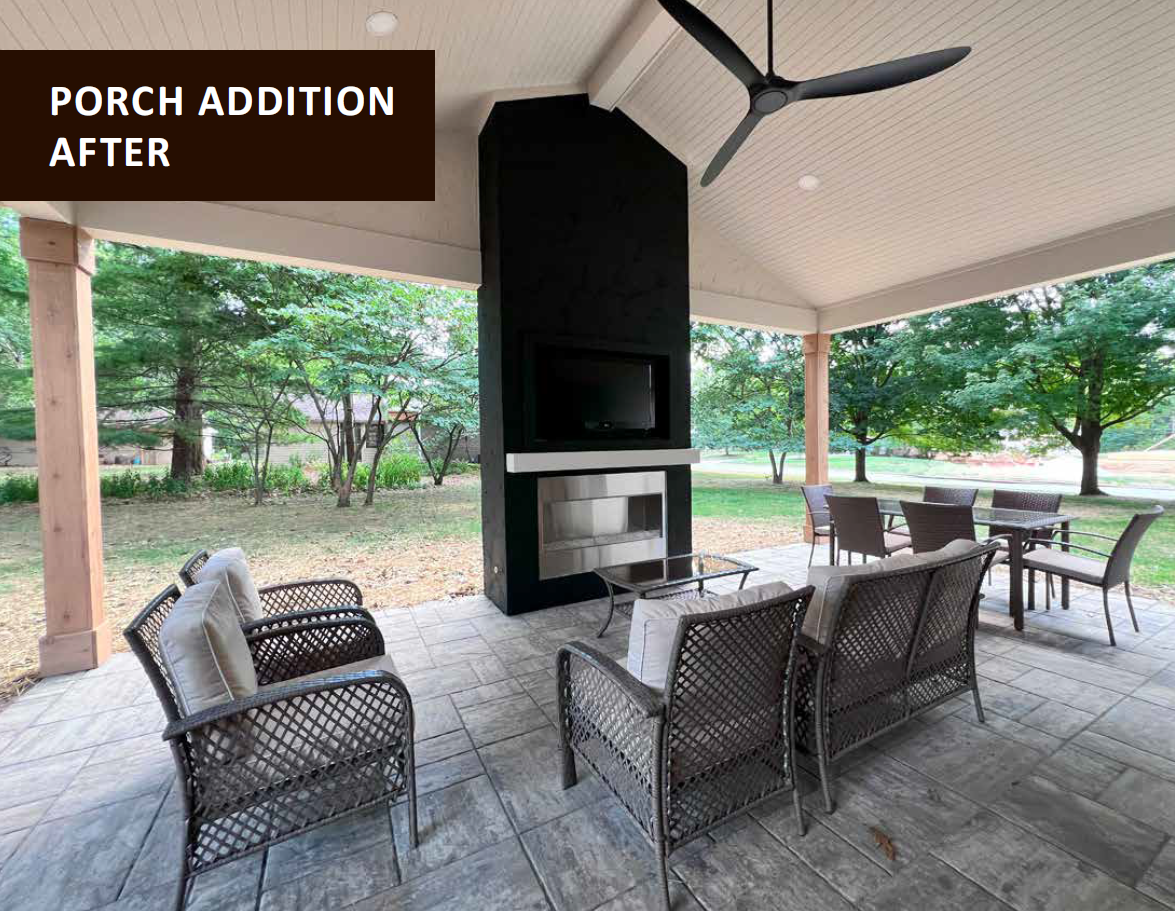
A covered porch addition for year-round gathering and relaxation
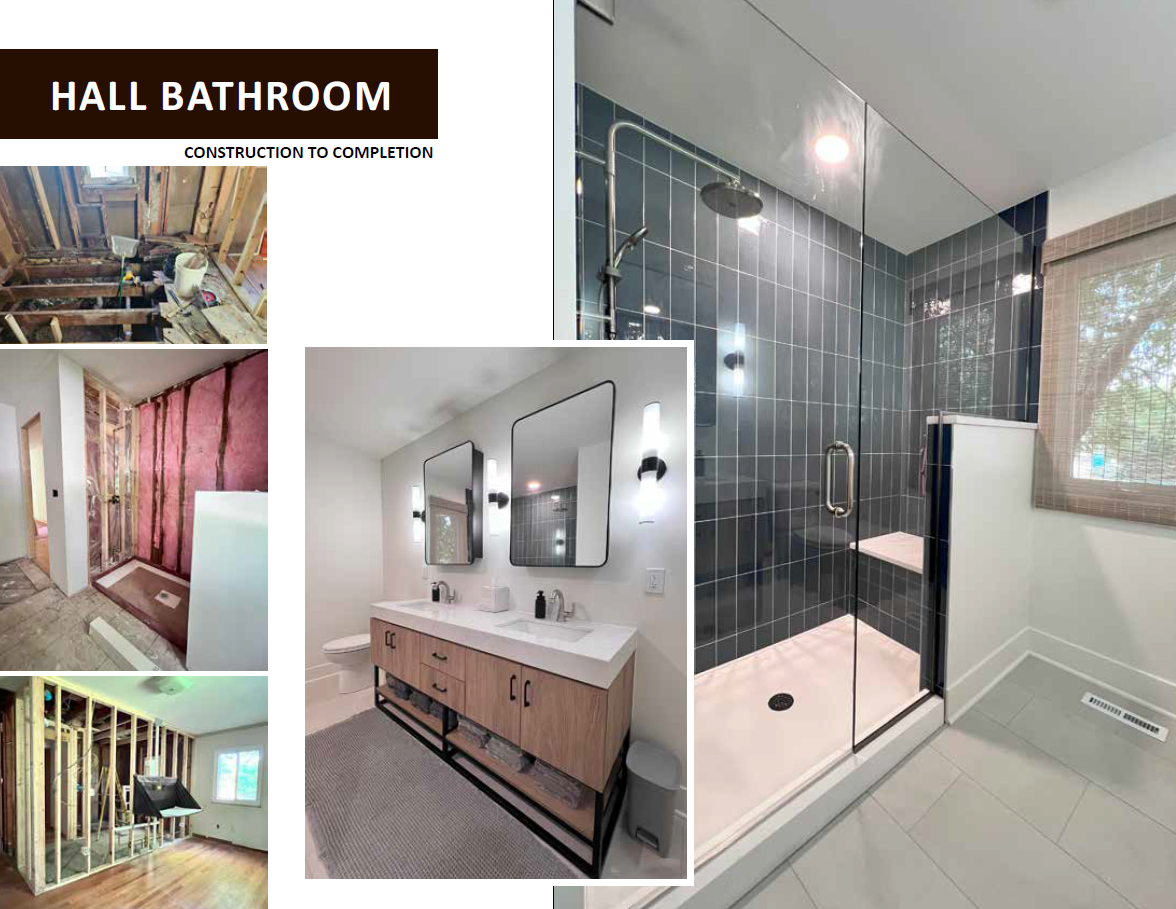
A redesigned primary suite and expanded hall bathroom
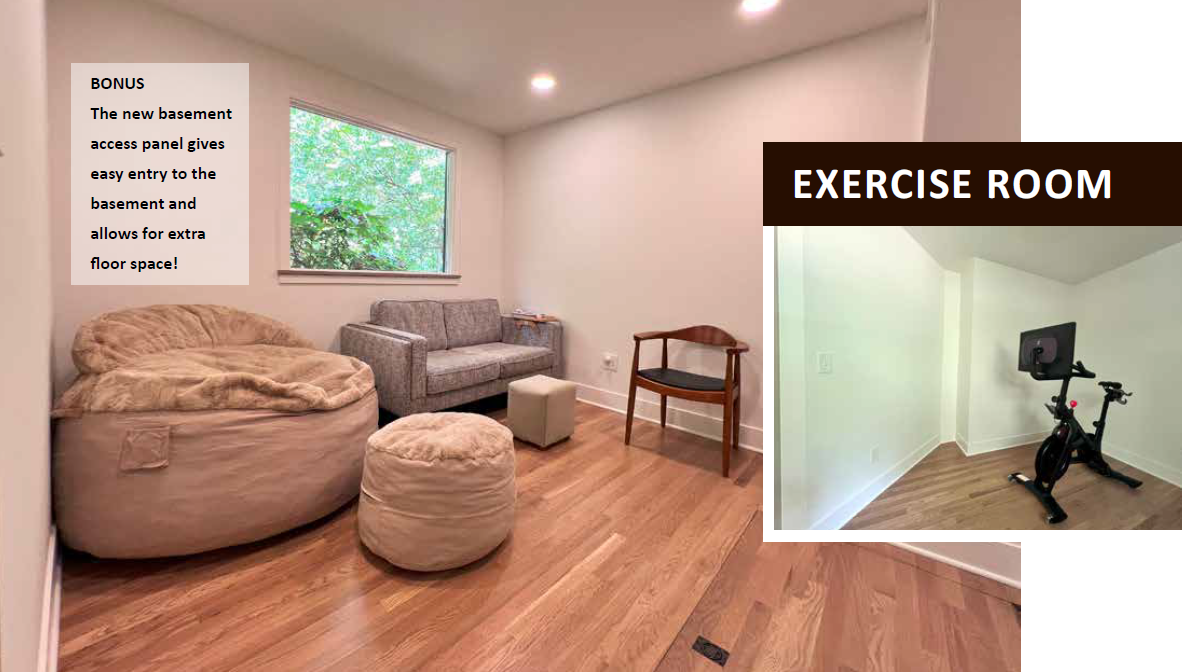
New flex spaces, including a kids’ lounge and exercise room
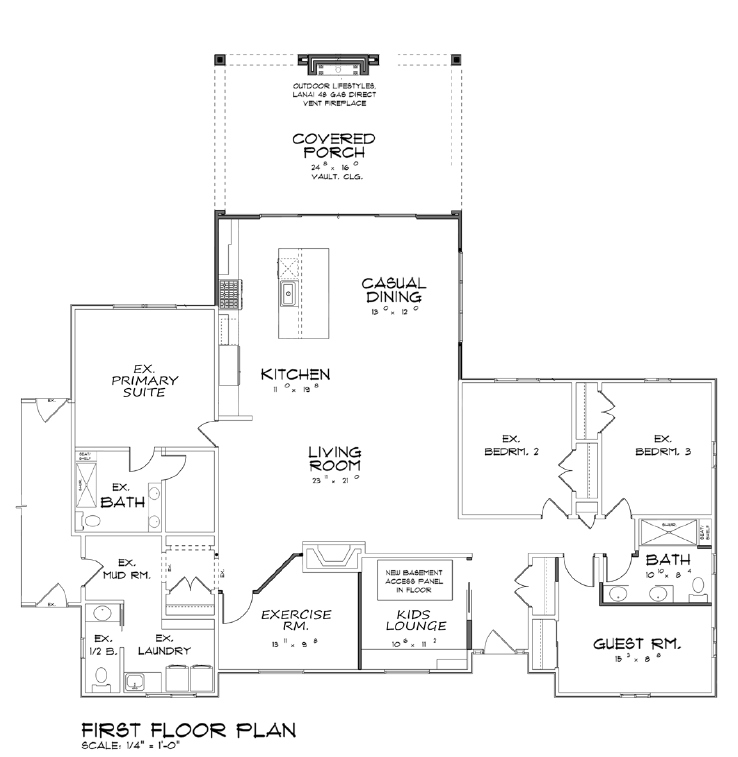
By relocating the kitchen into the addition, the original footprint was freed up—making space for rooms that better reflect how the family actually lives.
Solving Common Remodeling Challenges
Home remodeling projects—especially in existing homes—often come with unexpected constraints, and this one was no exception. As the design and construction process moved forward, RDS worked closely with Owens Construction to navigate a few underlying challenges that came into focus.
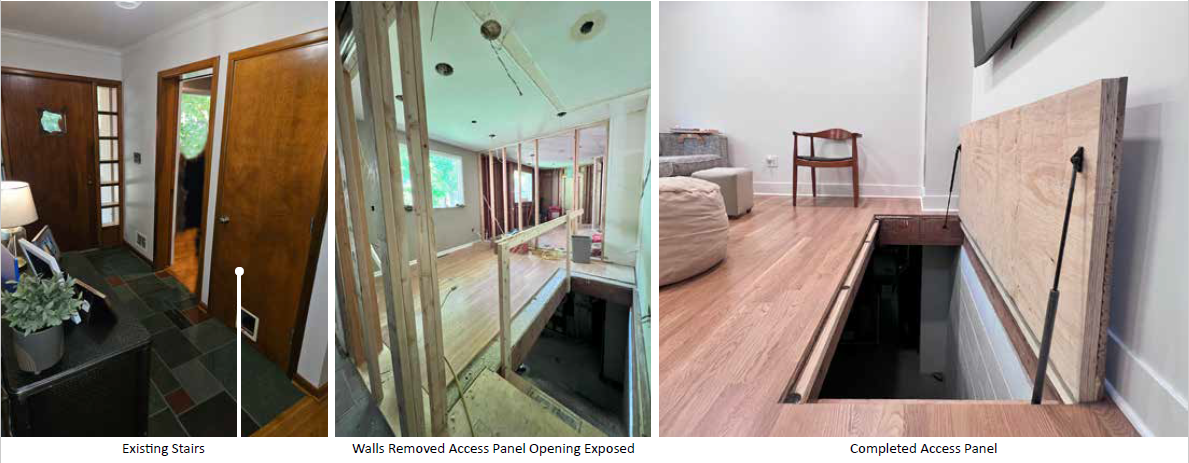
The location of the basement stairs, for example, was cutting directly through the main living space, disrupting the flow between the kitchen and family room. Instead of working around it, the team rethought the approach entirely—replacing the traditional stair with a custom access panel built into the floor. This allowed for full use of the space while still maintaining safe and easy access below.
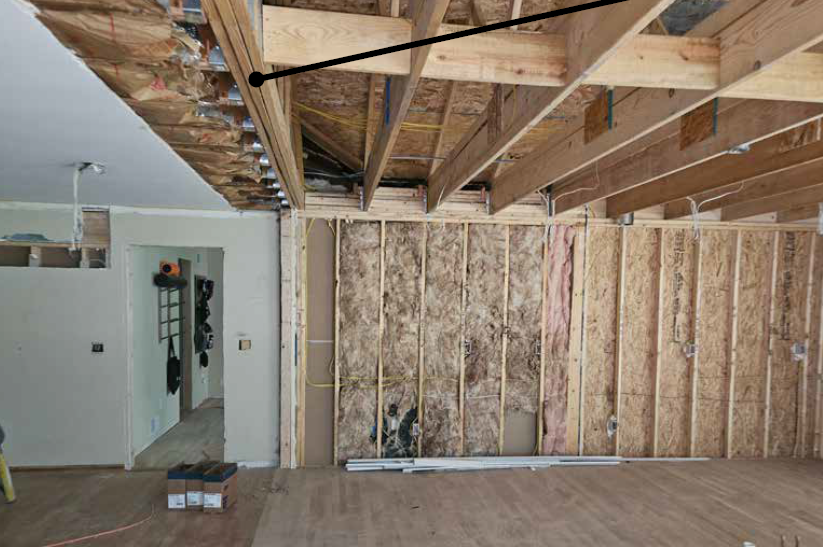
At the same time, the existing exterior wall—now connecting to the new addition—was load-bearing and filled with windows, limiting how the spaces could come together. To achieve the clean, open feel the homeowners wanted, an engineered girder truss was introduced. This made it possible to create a flush ceiling without exposed beams, helping the old and new spaces feel more unified.
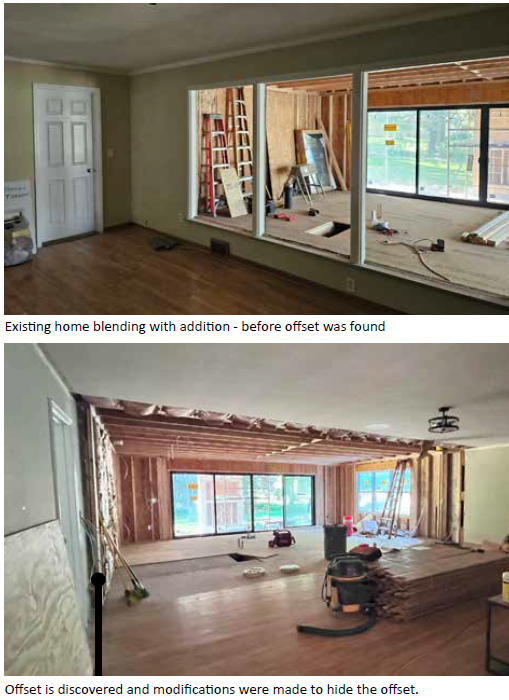
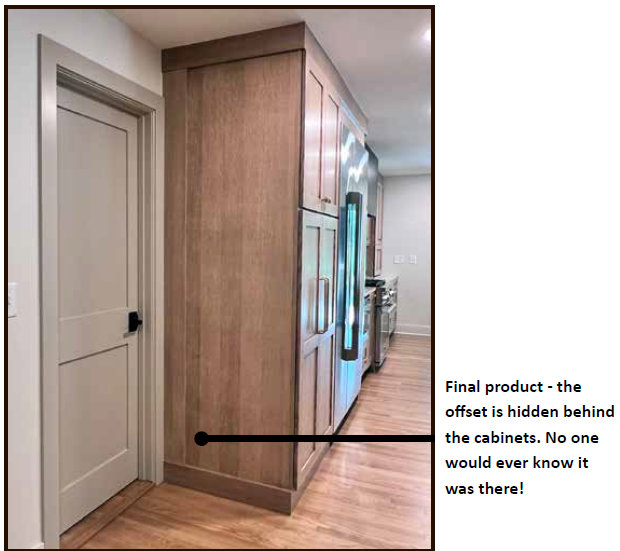
There was also a surprise from a previous renovation: a hidden wall offset that didn’t align with the new plan. Rather than forcing a workaround, the design team incorporated it directly into the kitchen layout, tucking it into the cabinetry so seamlessly that it disappears into the final design.
Moments like these are a natural part of remodeling. What matters is having a team that can adapt, problem-solve, and keep the overall vision intact. This was made possible through close collaboration between RDS and Owens Construction, so the final result not only looks right, but works exactly as it should.
Design Details That Improve Everyday Living
Beyond the major structural changes, smaller design decisions played a big role in how the home functions:
An angled wall improves traffic flow from the garage into the main living area
The kitchen island was designed with extra legroom for comfort and gathering
Original trim elements were preserved and reused to maintain character
Dedicated spaces allow each family member to pursue hobbies without overlap
These details reflect a core principle of residential design: how a home works matters just as much as how it looks.
The Result: A Home Designed Around Real Life
The finished home feels open, connected, and easy to live in.
The kitchen is now the heart of the home
Shared spaces feel intentional—not crowded
Each family member has room for their own activities
As the homeowner shared:
“We still can’t believe we get to live in this incredible space! Our dreams have been brought to life. There’s even extra leg room on the island for our son!”
Start with a Conversation
Every residential design project starts the same way: by understanding what’s working ... and what’s not.
If you’re considering a home addition, remodel, or custom home design in Columbus, Ohio, our team can help you explore what’s possible and create a plan that fits your life.
Because good design isn’t just about adding space.
It’s about making your home work better for you.