Why Lake Living Is Growing in Ohio
Across Ohio, lake living is becoming more than a seasonal getaway. From Lake Erie communities to inland destinations, more homeowners are reimagining what it means to live near the water. Some are choosing to build a full-time residence, while others are renovating a family cottage or creating a weekend retreat that better suits how they gather, relax, and live.
Designing a lake house, however, comes with its own set of considerations. Shoreline regulations, lot constraints, drainage, storage, seasonal use, and long-term maintenance all shape what is possible. That is why the design process matters. Residential Designed Solutions helps you look beyond the wish list and ask the right questions early, so you can create a lake house that truly fits your needs and lifestyle.
Why More Homeowners Are Drawn to Lake Living
A Lifestyle Shift, Not Just a Location Choice
Lake life for many families is about reconnecting with each other and nature. With the ability to work remotely, many properties that were summer staples are being renovated to enable year-round respite for busy homeowners.
The key to a successful lake home is creating the opportunity for peace, quiet, and comfort. With that in mind, our goal at RDS is to design spaces that help owners focus on the exact reason they choose to invest in life on the lake.
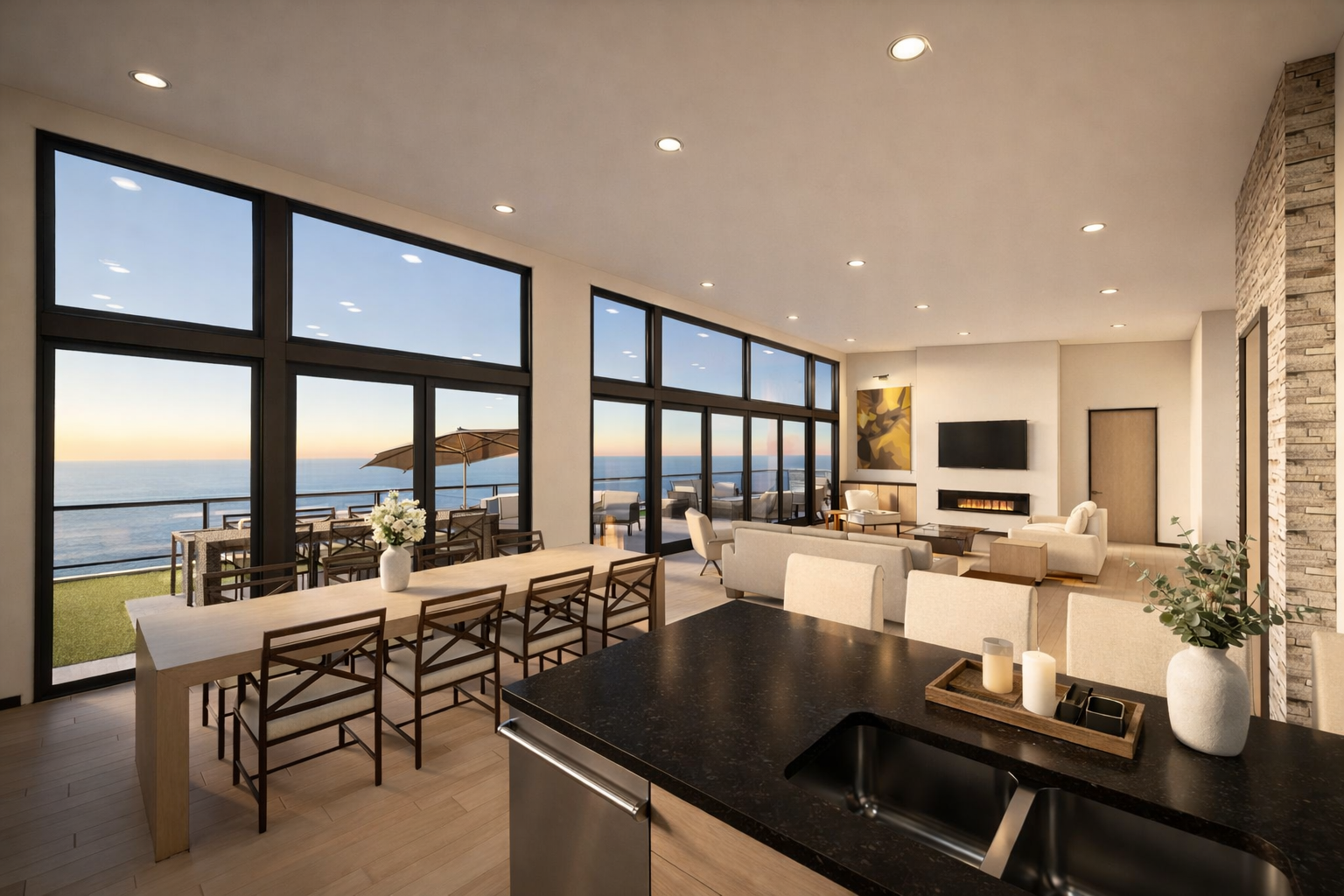
Whether homeowners want a quiet retreat, a gathering place for family, or a forever home near the water, lake living is less about having a second address and more about creating a home that supports a different pace and a more intentional way of living.
What Makes a Lakefront Project Different
The appeal of a lake home is easy to understand. The planning behind one is where things become more complex.
Site Constraints Shape the Design Early
Unlike a typical suburban lot, lake properties often come with unique constraints that shape the design from the beginning. Setbacks, topography, drainage, shoreline regulations, septic requirements, and homeowners’ association rules can all affect what can be built and where. In older cottages, structural issues may also need to be addressed before the visible part of the remodel can begin.
Function Matters as Much as the View
Storage is another major consideration. A well-designed lake home needs room for the realities of lake life such as towels, water gear, outdoor furniture, coolers, fishing equipment, and everyday essentials without making the house feel cluttered or overbuilt.
Traffic Flow Changes Everything
Movement through the home matters, too. When people are constantly transitioning from outside to inside, decisions about entry points, mudroom spaces, bathroom access, and traffic flow become much more important than they might in another type of home.
This is where thoughtful residential design becomes especially valuable. Our strong design team does more than shape how the home looks. It helps homeowners think through how the home will function on a busy summer weekend, on a quiet winter morning, and for years to come.
Questions we often ask include:
How do you plan to use the lake?
How often will you entertain, and how many people might be in attendance?
What do you want others to feel when they enter your house?
What storage will you need in the house?
How important is privacy to you in your retreat?
What are your favorite aspects of outdoor living and what do you like the least?
When those questions are addressed early, the result is usually a smoother process, fewer surprises during construction, and a home that feels more intentional from the start. We work to customize it to your preferences, whether to reduce noisy neighbors or to create a space where mosquitoes can’t wreak havoc on your evening activities.
A Recent Lake House Design
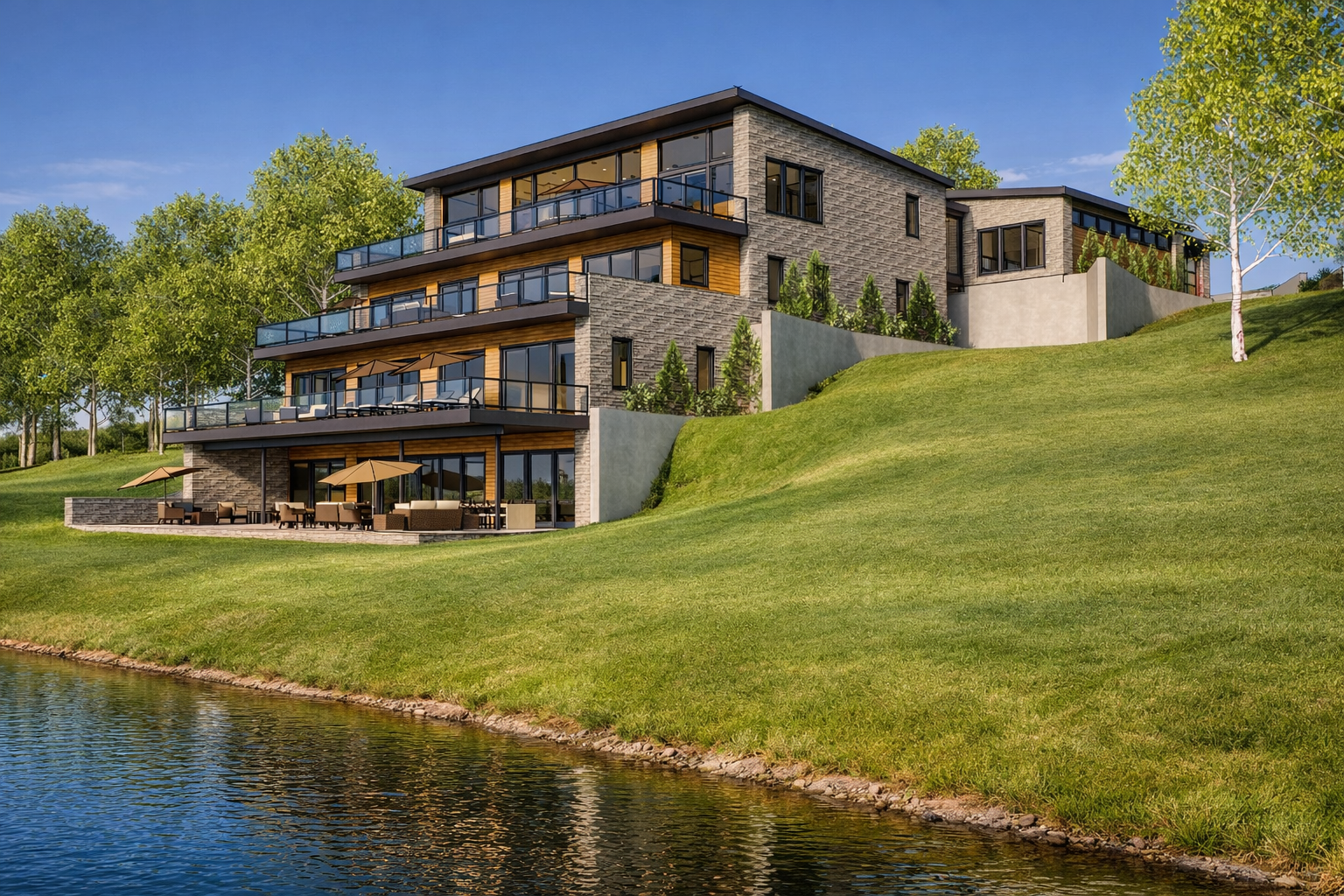
Often, one of the biggest challenges in lake house design is learning how to work with the land, not against it. For this award-winning concept home, the lot dropped nearly 60 feet from the street to the water, making thoughtful placement and site integration critical from the very beginning.
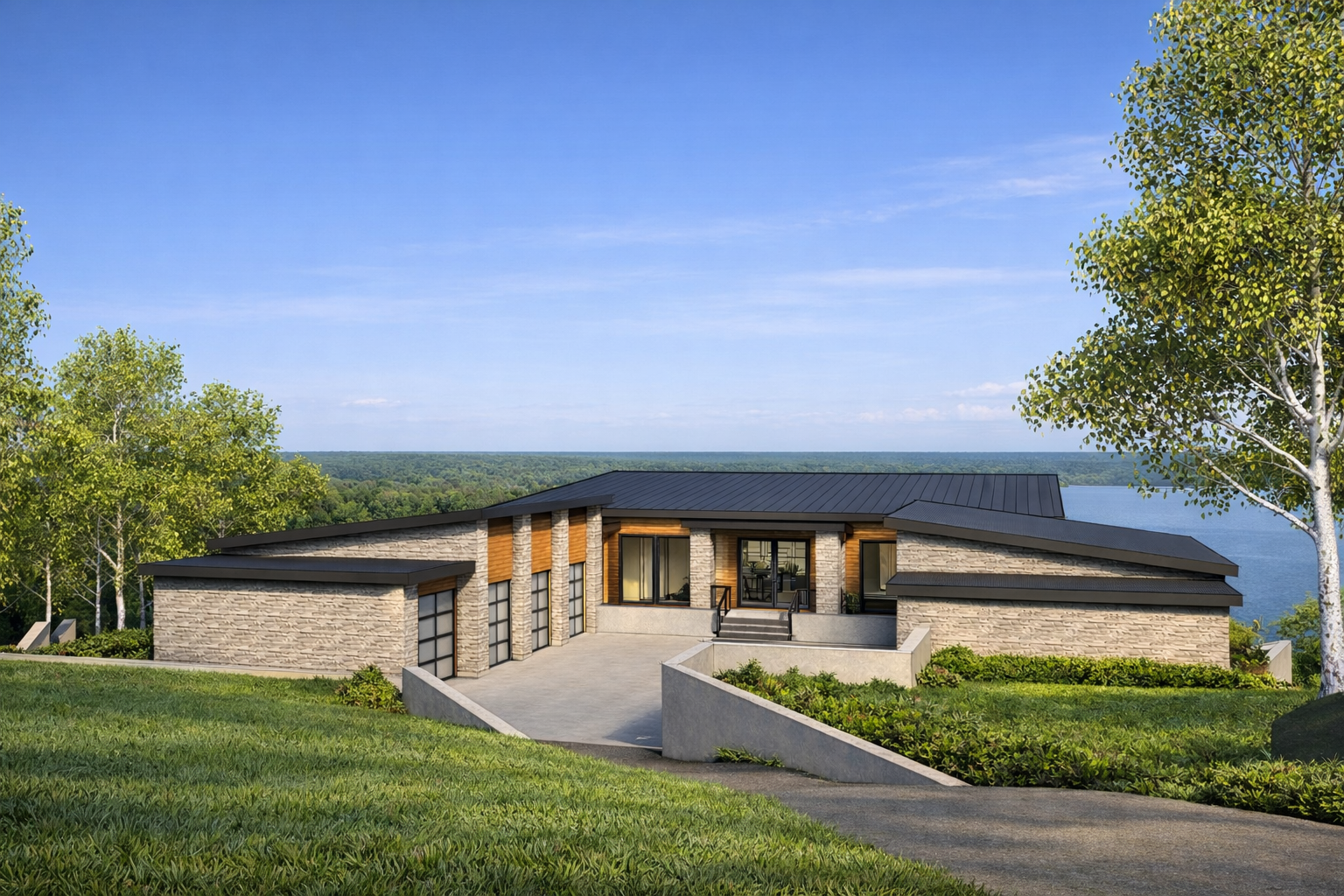
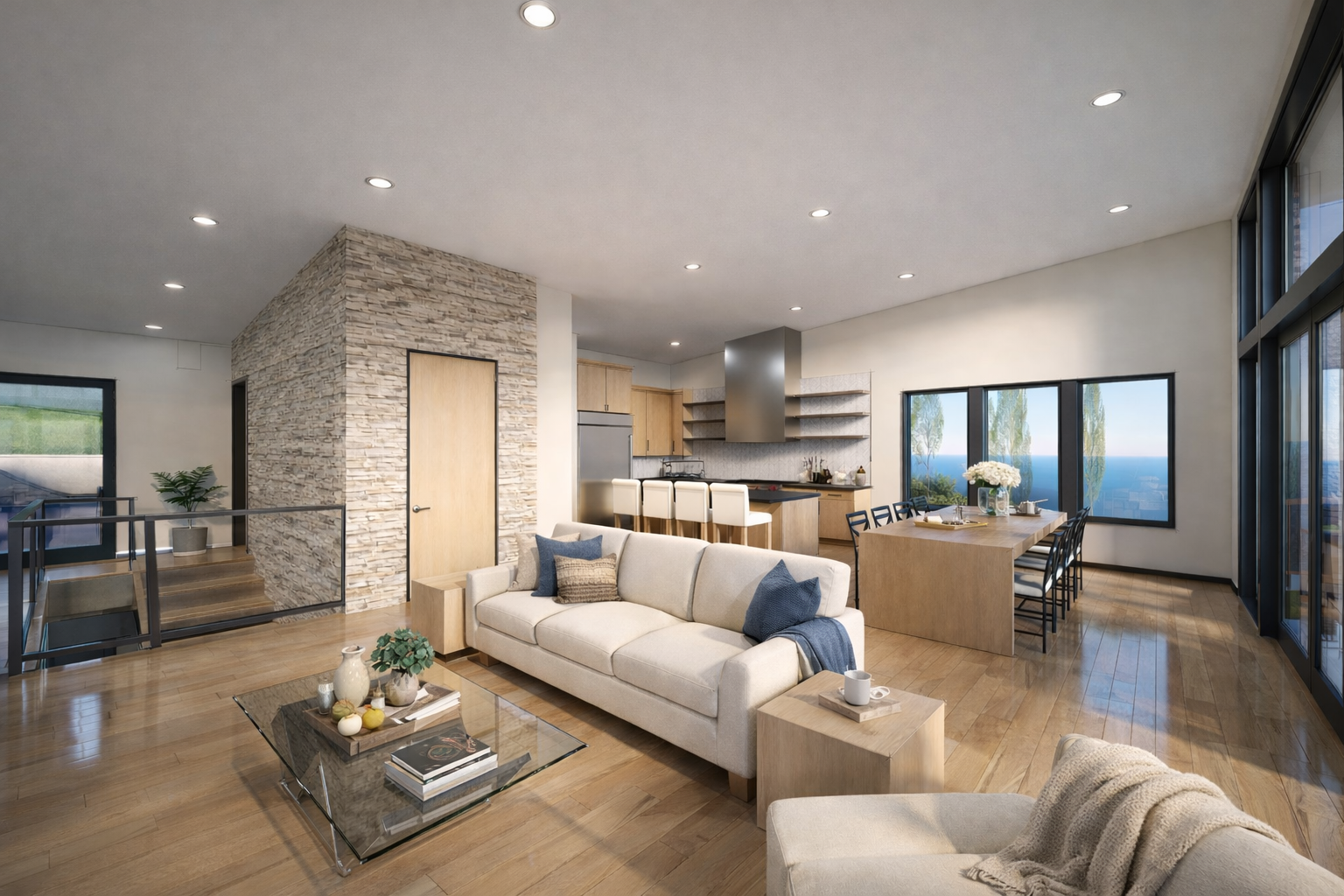
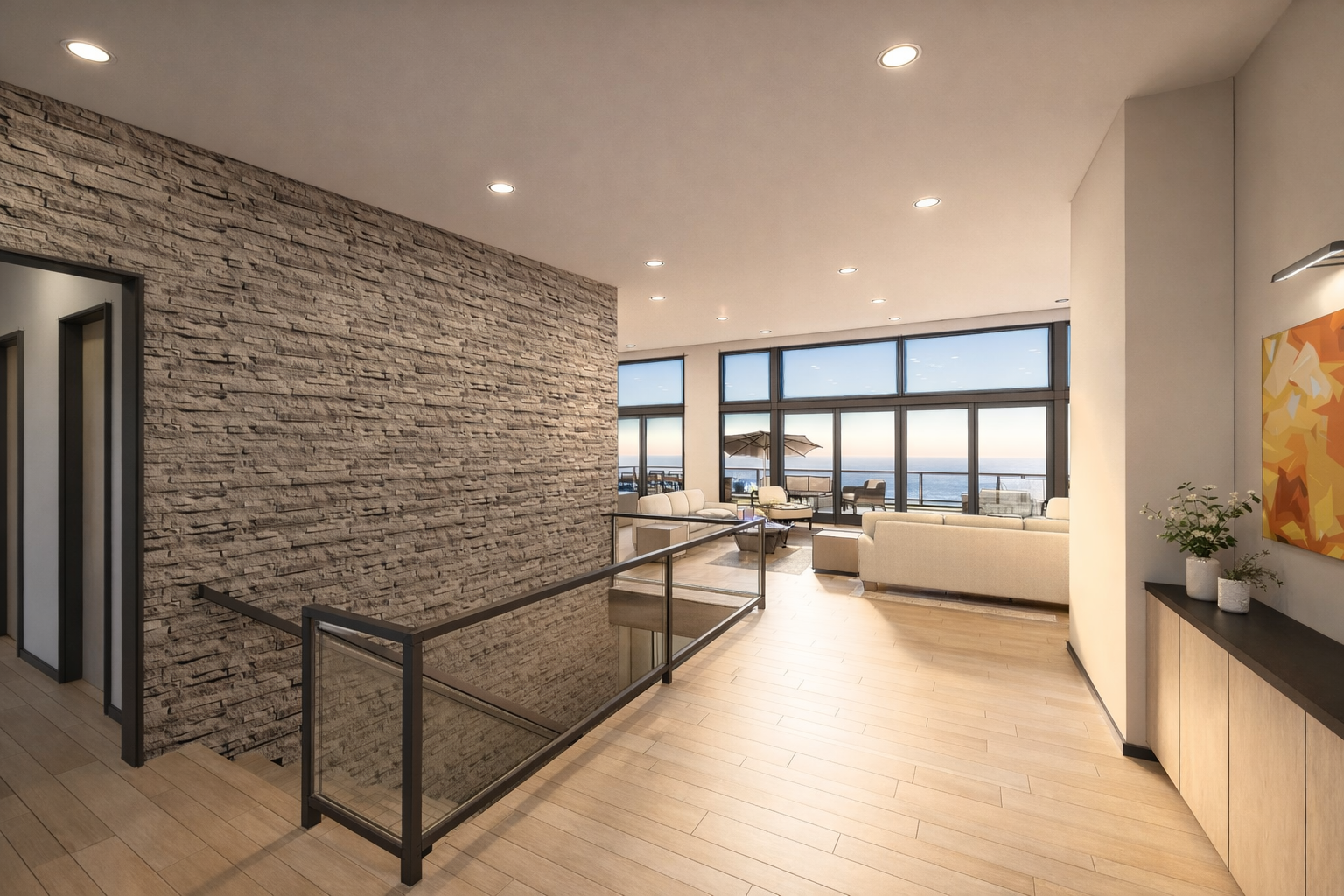
Designed by residential designer Joshua Brashear, The Cascade was carefully stepped into the hillside so the four-level home would feel connected to the landscape rather than overpower it. From the street, the home appears understated and grounded. As you move toward the lakefront, the design gradually reveals itself through terraced balconies, expansive windows, and layered outdoor spaces that follow the natural slope of the site down to the lake.
Inside, the home was designed as a vertical experience inspired by light and movement. A glass skybridge connects the garage to the main living level while also bringing natural light into the lower floors. Retaining walls and carefully planned landscaping allowed the team to carve usable living space into the hillside while still providing daylight and egress to lower-level bedrooms.
The Cascade was recognized with the 2025 Best Architectural Design – On the Boards (New Home) award from the Building Industry Association of Central Ohio.
More Than a Home on the Water
The growing interest in lake living across Ohio reflects something more than a housing trend. Homeowners are looking for a place to connect to each other and disconnect from the hustle and bustle of our digital world.
Whether you are updating a long-loved cottage or starting from the ground up on a waterfront lot, the design process plays a major role in the project’s success. Our experienced team at Residential Designed Solutions can help you turn your ideas into a clear, thoughtful plan that reflects the way you want to live near the water.