
How Luxury Home Design Is Changing: Comfort, Function and a Home That Feels Good to Live In
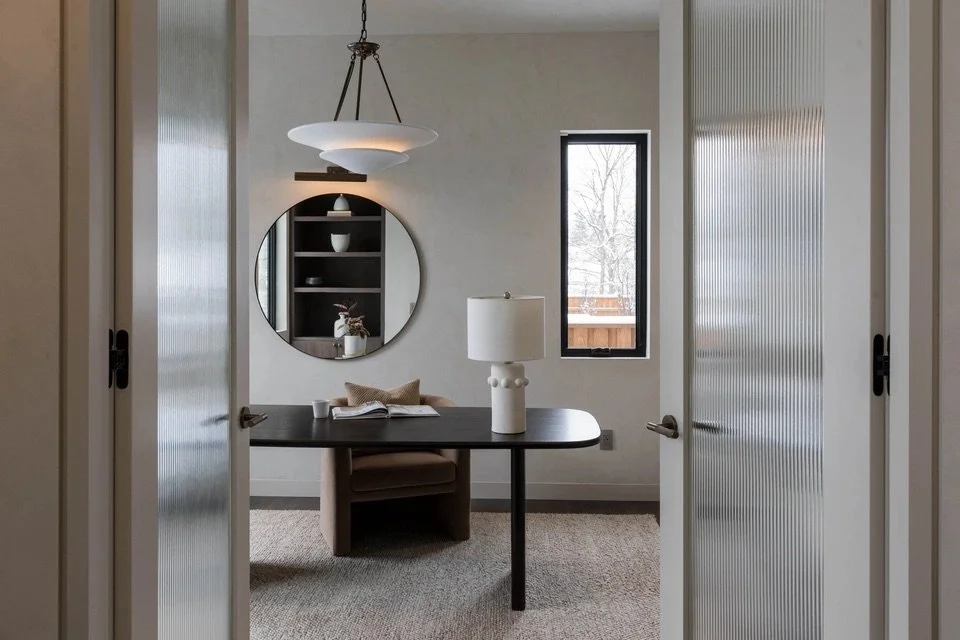
Luxury in residential design is changing. For years, luxury homes were often defined by size, expensive materials, elaborate finishes, and features designed to make an impression. Today, homeowners are looking at luxury differently. They are asking how their home can make everyday life better, more comfortable, and more meaningful.
That shift changes the way we think about exceptional home design.
At Residential Designed Solutions, we believe some of the most valuable elements of a home aren't always the most obvious. They can be found in a floor plan that makes daily routines easier, a window positioned to capture the best view, storage placed exactly where it is needed, or a room that feels comfortable enough to linger in.
The new luxury is less about having more, and more about getting the details right.
Luxury Is Personal
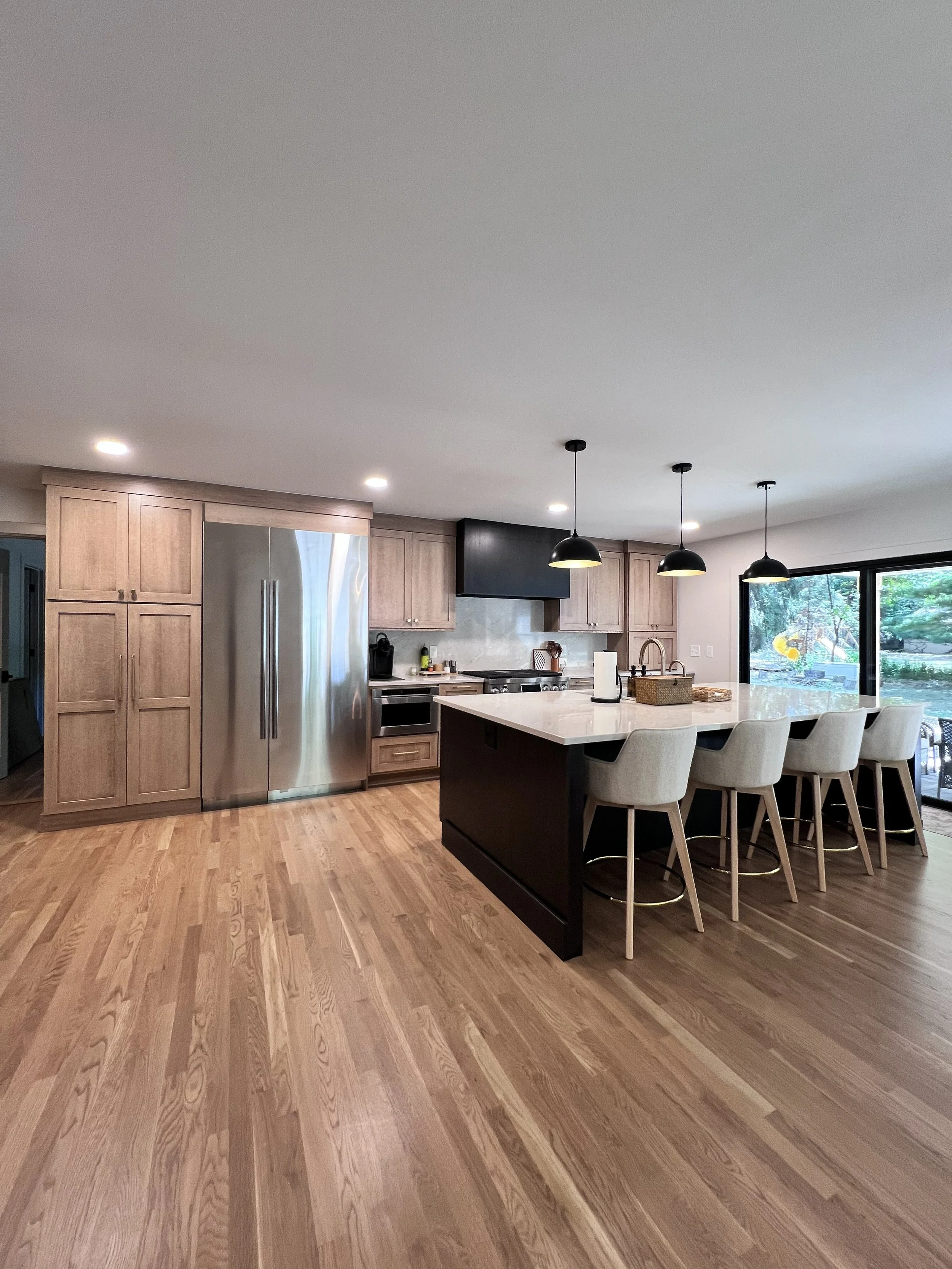
A home doesn't need to follow a particular formula to feel special. For one homeowner, luxury might mean a kitchen that makes it easy to gather with family and friends. For another, it could be a quiet room with a view, a private outdoor space, or a bathroom that provides a sense of retreat at the end of a busy day.
The most successful homes take their cues from the people who live there. Their routines, priorities, experiences, and preferences all become part of the home’s design.
That begins with listening. Understanding what matters to a client gives the design a foundation that is specific to them rather than based on a predetermined idea of what a luxury home should be.
The result isn't necessarily a home with more. It's a home with more meaning.
Luxury Is in the Details
Some of the most important residential design decisions are the ones you might not notice right away.
A well-placed window can change the way natural light moves through a room. An appropriately sized island can improve both food preparation and conversation. Storage can be incorporated where it is most useful rather than added as an afterthought. A ceiling shape can influence the placement of windows and give an otherwise simple room a stronger architectural presence.
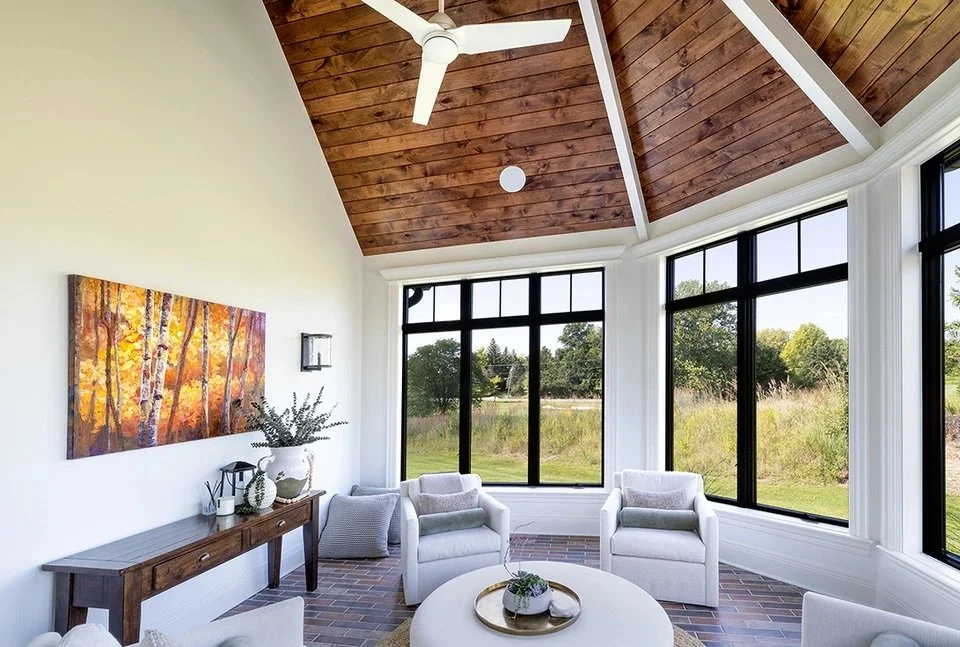
These decisions may not come with a recognizable label or make a dramatic first impression, but they can have a lasting impact on how a home feels and functions. A good design means considering the details early and understanding how they contribute to the larger experience of the home.
Luxury Should Feel Good
A home can be impressive without being comfortable. Exceptional design brings the two together.
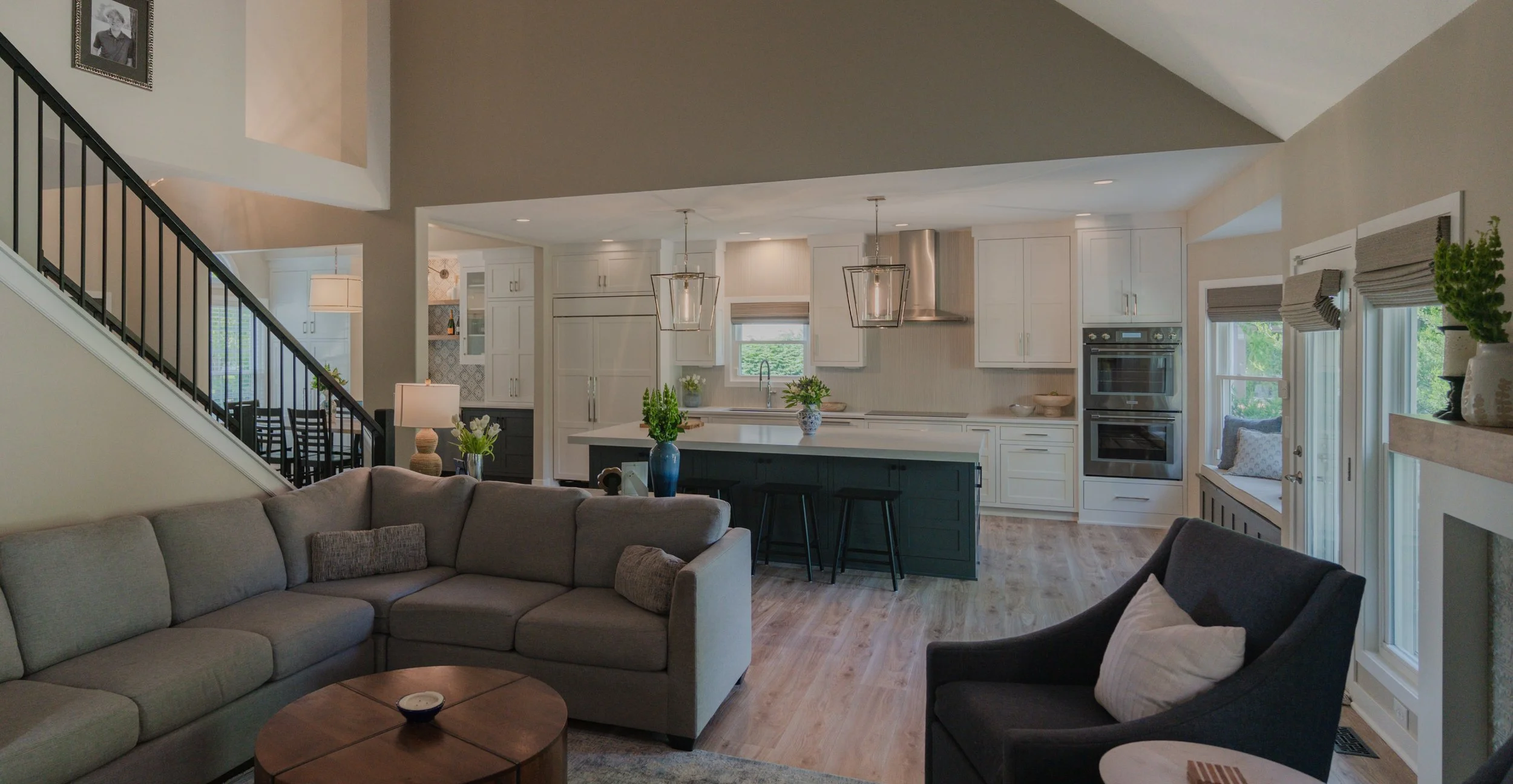
Today, homeowners are increasingly interested in spaces that feel calm, welcoming, and easy to live in. The experience of moving through a home matters just as much as what it looks like.
Where does the morning light enter?
How naturally can people move between the kitchen and living spaces?
Is there a comfortable place to sit and talk?
Can a busy household find a moment of quiet?
Can the home accommodate a gathering without everyone ending up in the same room?
These questions may seem simple, but they can have a significant influence on the way a home feels. Comfort shouldn’t be an afterthought; it should be part of the original design.
Luxury Means Designing for Real Life
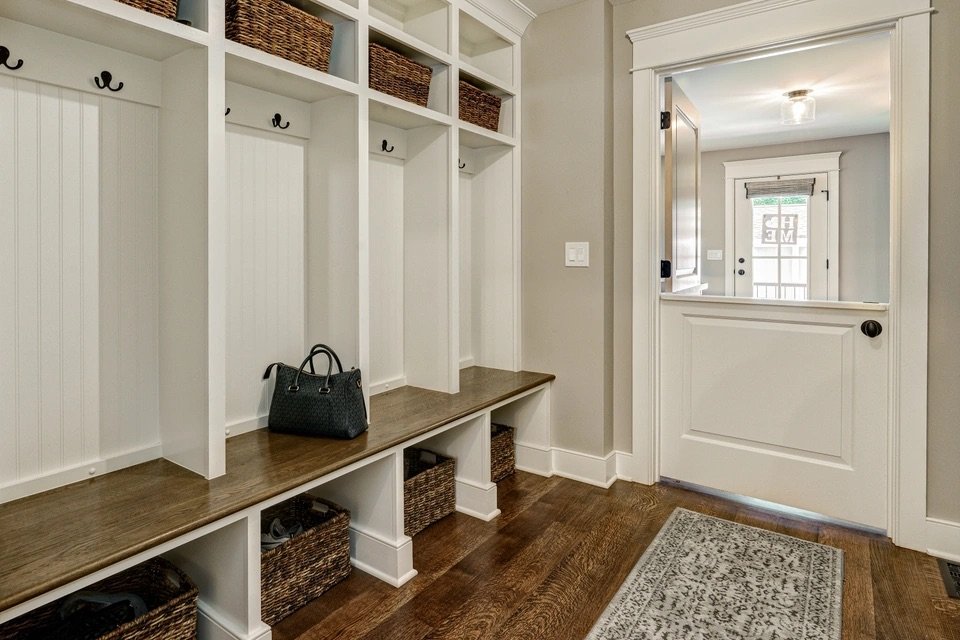
Perhaps the biggest shift in residential design is that homeowners are thinking less about how a home looks to others and more about how it works for them.
That might mean creating a kitchen that supports a family that loves to cook together. It might mean designing a mudroom that can handle backpacks, shoes, and sports equipment. It could mean creating flexible spaces that can change as a family's needs change. It can also mean choosing simplicity over excess.
Technology provides another example. Smart home features can certainly add convenience, but technology doesn't always need to be visible. In some homes, luxury might mean having everything connected. In others, it might mean creating spaces where technology can be put away, and the focus can return to family, conversation, or the surrounding landscape. What it comes down to is the right choice depends on the homeowner.
A New Definition of Exceptional
The definition of luxury may continue to evolve, but the principles behind a successful home are remarkably consistent.
A home should feel personal.
It should function well.
It should be comfortable to live in.
And it should make sense in its surroundings.
Luxury doesn't always mean bigger, more elaborate, or more expensive. Sometimes it is found in the things that make everyday life feel easier, calmer, and more enjoyable.
At Residential Designed Solutions, these are the details we consider throughout the design process. From the first conversation through construction documents and beyond.
Because ultimately, an exceptional home isn't defined by what it has. It's defined by how it makes everyday life feel.